
Riga
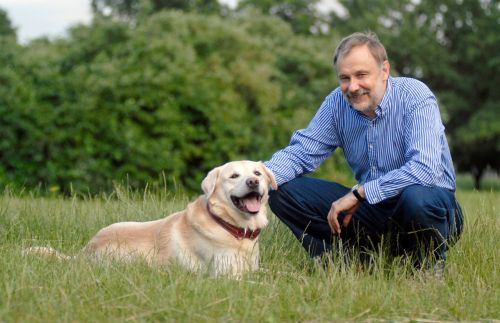
Insider: Mārcis Auziņš
I spent my childhood in the area around the intersection of Brīvības iela and Miera iela. Our pre-war building and its courtyard are still standing at...
Riga
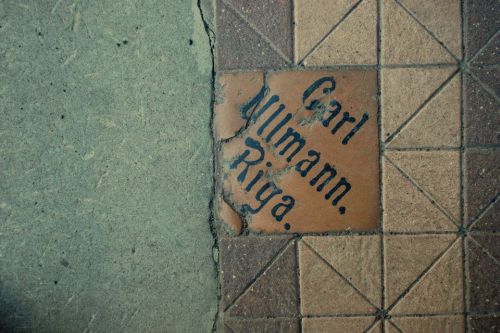
Insider: Zigmārs Jauja
I used to work near Matīsa tirgus (Matīsa Market) and often had to visit a site on Toma iela in Maskavas forštate (Moscow Suburb) for work. The long walk...
Riga
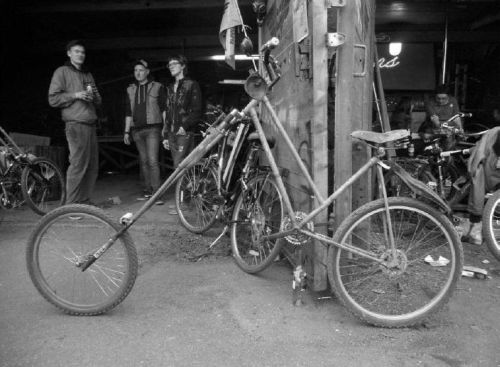
Insider: Kristians Brekte
Walking along Strelnieku Street, best of all in wintertime, it's worth having a peek into a courtyard boasting a huge reproduction of a Venice landscape...
Riga
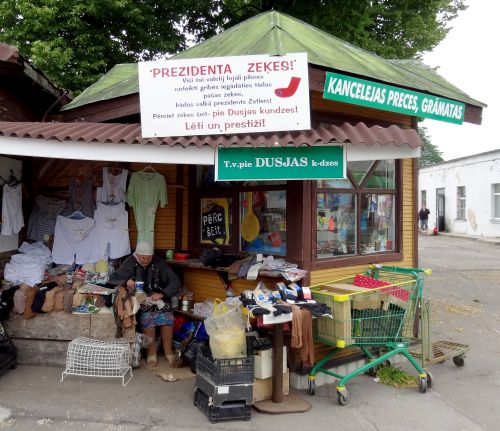
Insider: Krišs Salmanis
I am a Rigan. I'm always mixing up street names and architect names; the city's history is something I newly discover every time I start to study it...
Riga
Insider: Pauls Timrots
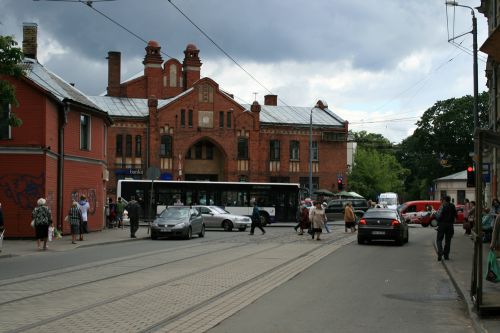
My preference goes to large, so called semi-proletarian districts of Riga. Sitting at the wheel, or taking a stroll along...

Riga
Insider: Mārcis Auziņš
I spent my childhood in the area around the intersection of Brīvības iela and Miera iela. Our pre-war building and its courtyard are still standing at...
Riga
Insider: Zigmārs Jauja
I used to work near Matīsa tirgus (Matīsa Market) and often had to visit a site on Toma iela in Maskavas forštate (Moscow Suburb) for work. The long walk...
Riga
Insider: Kristians Brekte
Walking along Strelnieku Street, best of all in wintertime, it's worth having a peek into a courtyard boasting a huge reproduction of a Venice landscape...
Riga
Insider: Krišs Salmanis
I am a Rigan. I'm always mixing up street names and architect names; the city's history is something I newly discover every time I start to study it...
Riga
Insider: Pauls Timrots
My preference goes to large, so called semi-proletarian districts of Riga. Sitting at the wheel, or taking a stroll along...
Riga
Insider: Brigita Stroda
This is a guide for either second time visitors or the first time over-achiever! The principle is - there is the usual attraction...
Riga
Insider: Uldis Lukševics
Cuba Café (Jauniela 15, Phone: +371 67224362) is no place for a substantial meal, although a bowl of potato chips and smoked...
Riga
Insider: Artis Bandonis
Ja gribas bagātīgi pamieloties ar gaļu un ieraudzīt Rīgu mazliet citām acīm, krievu-armēņu restorāns Erebuni ir ideāla...
Riga
Insider: Inita Saulīte-Zandere
I am a city girl to the very core, and Riga is my city. I adore the way Riga makes you slow down. What a treat it is to stroll leisurely...
Riga
Insider: Katrīna Neiburga
Āgenskalns ir viens no maniem mīļākajiem Rīgas rajoniem. Droši vien tamdēļ, ka tieši tur esmu pavadījusi visu savu bērnību...ABOUT US • CONTACTS • RSS • FOLLOW US: 
 ENG LAT
© anothertravelguide.com 2015
Anothertravelguide.com is an internet resource for independent travellers. All addresses listed on anothertravelguide.com - hotels, restaurants, shops, etc. have been tested and evaluated by our authors. All opinions are subjective and anothertravelguide.com takes no responsibility if any of these locations don't live up to your personal expectations, taste or mood, or has undergone serious changes since visited by authors and experts of anothertravelguide.com.